Kingsbrook Animal Hospital's Blog

Sunday, August 8, 2010

How to get your cat in the carrier


How do I get my cat into the carrier!


Many of our clients arrive with scratches up and down their arms due to wrestling their cat into the carrier. Here are some tips to hopefully make this process easier:


1. Place the back end of the carrier against the wall with door open. This will help keep the carrier from sliding around.


2. Scoop up your cat. If your cat runs and hides as soon as the carrier is in site, you may want to feed a meal or treat in a confined area like a bathroom. Then retrieve carrier and place up against wall near confined area.


3. Slide your cat into carrier backwards. This is the key! They are less likely to resist if they don't see where they are going. It is best to gently scruff your cat with one hand and support under body with your other hand. They should just slide right in. Quickly shut the door and you are ready to go!


P.S. This works very well for rabbits too. They are less likely to jump and injure themselves.

Thursday, August 5, 2010

Pet Friendly Surroundings


For some animal lovers, buying aesthetically pleasing pet supplies is not enough: they have created their own animal-friendly design solutions to complement their human-centric décor. See the full article at http://www.nytimes.com/2010/07/22/garden/22pets.html

Yummy Peaches


Steve and Mary Ferguson, pet parents to "SweetPea", were driving home from a visit to Florida when the saw a roadside fruit stand in Georgia. SweetPea insisted that they stop to get something for her friends at Kingsbrook. A big thank you to SweetPea, Steve and Mary for the wonderful peaches.

Monday, August 2, 2010

Recall Alert


For Immediate Release

Contact: P&G Consumer Relations - 877-340-8823

July 30. 2010


P&G Expands Voluntary Limited Recall of Specialized Dry Pet Foods
Due to Possible Health Risk


CINCINNATI, July 30, 2010 - The Procter & Gamble Company (P&G) (NYSE:PG) is voluntarily expanding its recall to include veterinary and some specialized dry pet food as a precautionary measure because it has the potential to be contaminated with salmonella. No salmonella-related illnesses have been reported.


The following products are included:


Product Name
Version
"Best-By" Dates UPC Code

Iams Veterinary Dry Formulas
All dry sizes and varieties
01Jul10 - 01Dec11
All UPC Codes

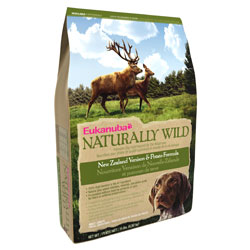
Eukanuba Naturally Wild All dry sizes and varieties 01Jul10 - 01Dec11
All UPC Codes

Eukanuba Pure All dry sizes and varieties 01Jul10 - 01Dec11
All UPC Codes

Eukanuba Custom Care Sensitive Skin All dry sizes 01Jul10 - 01Dec11
All UPC Codes


The affected products are sold in veterinary clinics and specialty pet retailers throughout the United States and Canada. No canned food, biscuits/treats or supplements are affected by this announcement. A full listing of UPC codes can be found at www.iams.com


These products are made in a single, specialized facility. In cooperation with FDA, P&G determined that some products made at this facility have the potential for salmonella contamination. As a precautionary measure, P&G is recalling all products made at this facility.


Consumers who have purchased the specific dry pet foods listed should discard them. People handling dry pet food can become infected with Salmonella, especially if they have not thoroughly washed their hands after having contact with surfaces exposed to this product. Healthy people infected with Salmonella should monitor themselves for some or all of the following symptoms: nausea, vomiting, diarrhea or bloody diarrhea, abdominal cramping and fever. Rarely, Salmonella can result in more serious ailments including arterial infections, endocarditis, arthritis, muscle pain, eye irritation and urinary tract symptoms. Consumers exhibiting these signs after having contact with this product should contact their healthcare providers.


Pets with Salmonella infections may have decreased appetite, fever and abdominal pain. If left untreated, pets may be lethargic and have diarrhea or bloody diarrhea, fever and vomiting. Infected but otherwise healthy pets can be carriers and infect other animals or humans. If your pet has consumed the recalled product and has these symptoms, please contact your veterinarian.

For further information or a product refund call P&G toll-free at 877-340-8823

(Monday - Friday, 9:00 AM to 6:00 PM EST).

Friday, July 30, 2010

Animal Camp


Dr. Davis spent some time volunteering to educate our animal advocates of the future at the Frederick County Animal Welfare's Animal Camp. In addition to learning about what a veterinarian does on a daily basis, attendees were taught about animal health & safety. These wonderful children are spending time at the shelter learning how to care for animals and have been spending time playing & socializing the animals in the shelter. On this day, they were also busy decorating bandanas for the dogs & making cat toys for the kitties!

Tuesday, July 27, 2010

Dog Days of Summer


On Saturday, August 7th, the FCHS will participate in Dog Days of Summer, presented by the Downtown Frederick Partnership and Two Paws Up, from 5 to 9pm. Downtown Frederick goes to the dogs with costume contests, dog friendly merchants, live music, restaurants, animal art and more. The event takes place in the Frederick Main Street area -Patrick and Market Streets, Everedy Square and Shab Row. Registration opens at 5pm at Two Paws Up, Carrol Street. The FCHS will have a judjing booth and fun activity on East Patrick Street. The event wraps up with a Yappy Hour along Carol Creek atarting at 8pm at the ampitheater. A portion of the event's proceeds will be donated to the FCHS programs helping companion animals. For more information, visit www.downtownfrederick.org, www.twopawsup.biz or www.fchs.org.

Saturday, July 24, 2010

Buyer Beware


10 Reasons Not to Buy a Puppy from a Pet Store

1. Bad Health: Because so many pet store pups come from puppy mills, they are not the result of careful breeding and they are usually not well cared for before coming to the store. Some common illnesses and conditions are neurological problems, eye problems, hip dysplasia, blood disorders and Canine Parvovirus.

2. Behavioral Problems: Because breeding is indiscriminate, behavioral problems are not weeded out generationally. You'll also find that a pet store's staff is not likely to have any training in dealing with behavior issues so the puppies continue to do the wrong things, which become habit.

3. No Socialization: Pet stores pups are often pulled away from their litter at far too young an age, often at only four or five weeks. The earliest a puppy should be separated from his pack is eight weeks and most reputable breeders will say at least 10 weeks. This lack of time socializing with his siblings means that puppy will not develop important canine skills. Likewise, a puppy who has not been handled by people from about three weeks will not naturally socialize well with them.

4. The Downfall of the Standard: In a broad sense, purchasing a puppy from a pet store and then breeding her means you are ruining the standard of that breed because the previous breeders were not concerned with it.

5. Lack of Information: A member of a pet store staff is not an expert on a breed and often not on dogs in general. Purchasing a puppy from a store means you will not get the lowdown on that breed or likely help with any behavioral or other questions.

6. Return at Your Puppy's Peril: Most pet stores do offer a warranty of sorts where you can bring the puppy back if he has problems. They don't tend to tell customers that the puppy's fate, once returned, is usually euthanization.

7. Housebreaking is a Chore: Pet store puppies have spent all their short lives in cages. They do not have the opportunity to develop the natural canine instinct of eliminating away from their food and bed. This causes problems when you try to housebreak them.

8. What You See Isn't Necessarily What You Get: If you see what looks like a Maltese in the window, you may find, as she grows, that there's a little Maltese in there somewhere but mostly she looks like a Terrier. There is no guarantee you will get a purebred dog if that's what you're after.

9. Poor Value: A puppy from a pet store generally costs between $400 and $2,000. This is often more than you'd pay at a reputable breeder who can ensure you get a healthy puppy and provide support afterward.

10. Questionable Pedigree: You're paying for a pedigree, or AKC papers, when you buy a puppy from a pet store but it's very likely that it's not genuine. If the papers are genuine, it still doesn't mean the puppy is a good example of its breed - you need a reputable breeder to prove that.

What are our options other than pet store puppies? Reputable breeders are always a good choice. They are very knowledgeable about the breed they represent and can help with behavioral and physical issues that might come up later. These breeders socialize their puppies early on, breed in good traits and breed out bad ones and they can show you your puppies' parents and give you their history.

Another great option is adopting a puppy. Humane Societies, local animal shelters and breed rescues are all good places to look. True, you don't have the benefit of meeting you pup's parents but rescued puppies are thoroughly examined for any illness or condition, are socialized by staff and trained early on. Also, if you adopt a mixed puppy you will likely find he is very healthy as mutts are often healthier than purebreds.

7/14/10 From Dogster.com